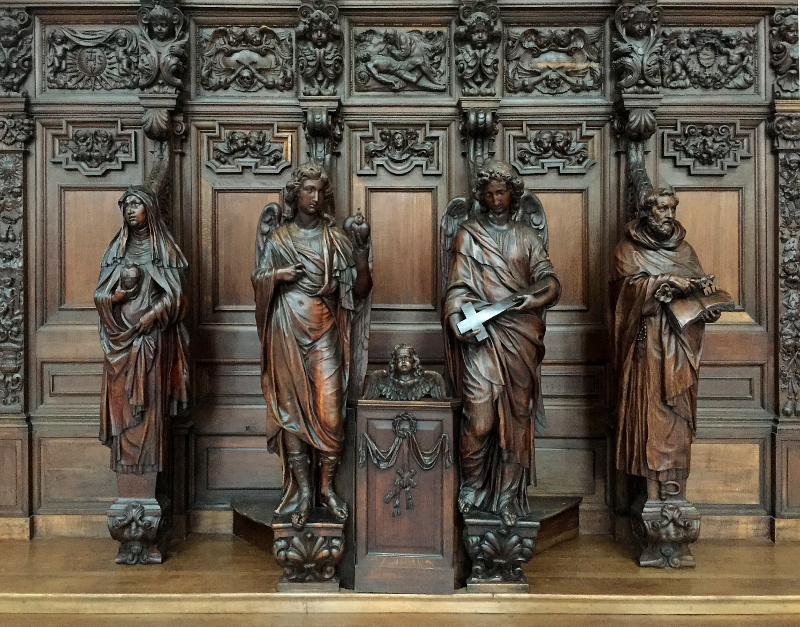
Antwerp
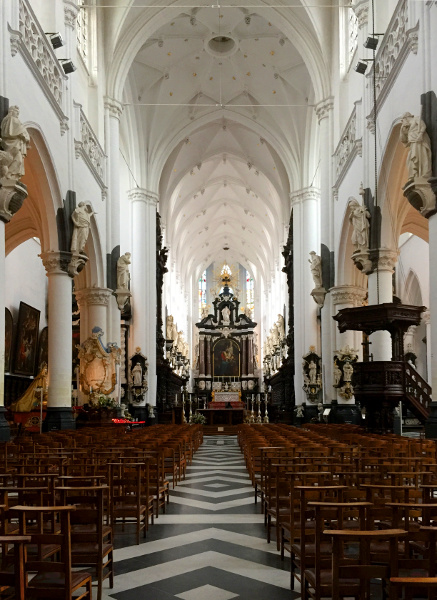
The nave. In the distance is the high altar created by the Peeters Verbrugghen, elder and younger, bearing the Dominican motto: 'In Fide et Veritate' (In Faith and in Truth).
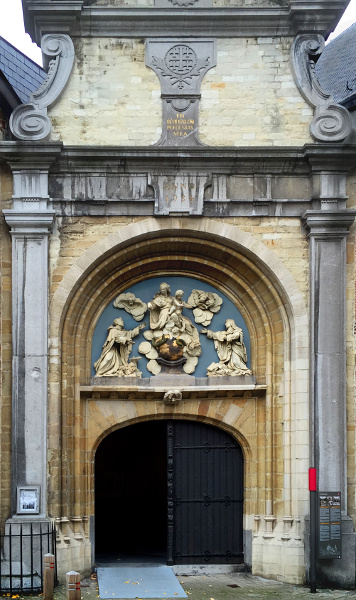
Entrance. Tympanum sculpture by Jan Claudius de Cock, 1734. It depicts Our Lady of the Rosary giving the rosary to Saint Dominic and Saint Catherine of Siena.
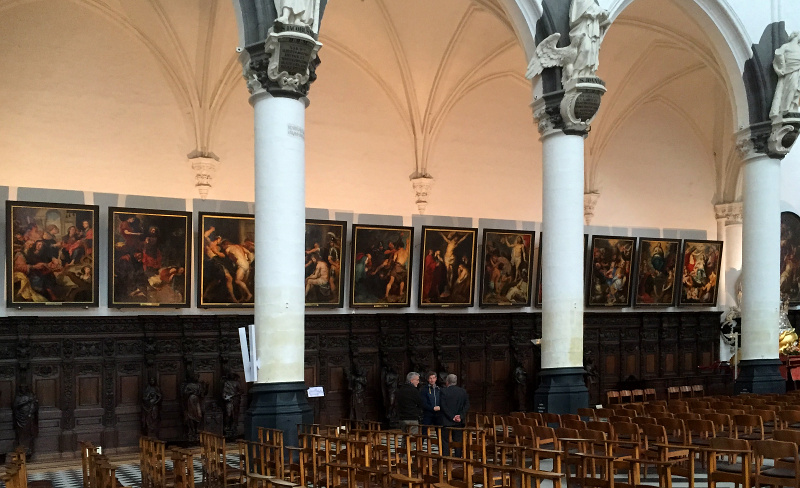
Mysteries of the Holy Rosary.
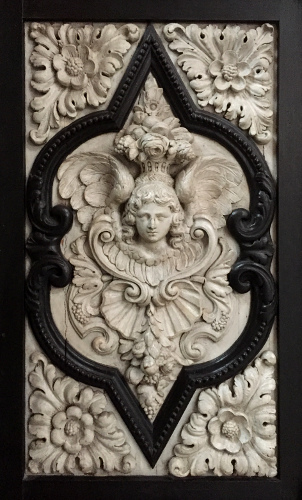
Door panel.
But we have to accept that we have just a few hours and will look forward to digging up sources of information when we get home. That's the wonderful thing about travel - it constantly presents you with new subjects to explore and so our trips last much longer than the actual time spent 'away'. Best investment of time and resources we could make.
And now it's time to move on. Our next stop will be the Church of St. James, Rubens' final resting place.